AI Velocity
Read time:
5 min
Focus:
AI Velocity
Engagement Type:
Acceleration
Ideal For:
Active testing program
Approach:
Acceleration
Method:
Human-governed
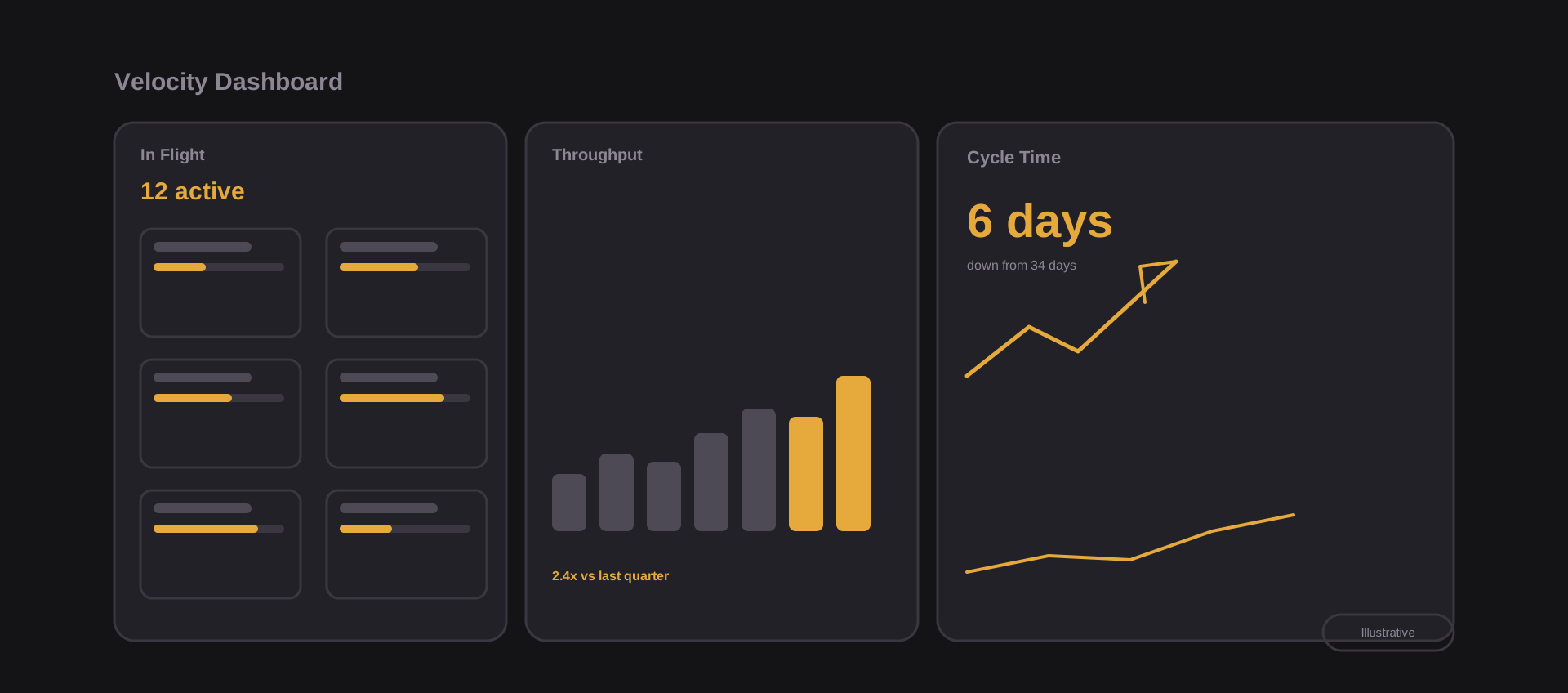
The bottleneck in most experimentation programs isn't ideas — it's cycle time. Research, hypotheses, variants, and analysis all move at human speed, so the program finds wins slower than the business needs them. This walks through how I use AI to compress that cycle without compromising the rigor that makes results trustworthy. (Illustrative example.)

Starting point
A typical starting point: a capable team that's simply slow. Each test takes weeks to move from insight to live experiment — research synthesis by hand, variants built one at a time, past results buried and never mined. The ideas are good; the pace can't keep up with the roadmap.

Problem solving
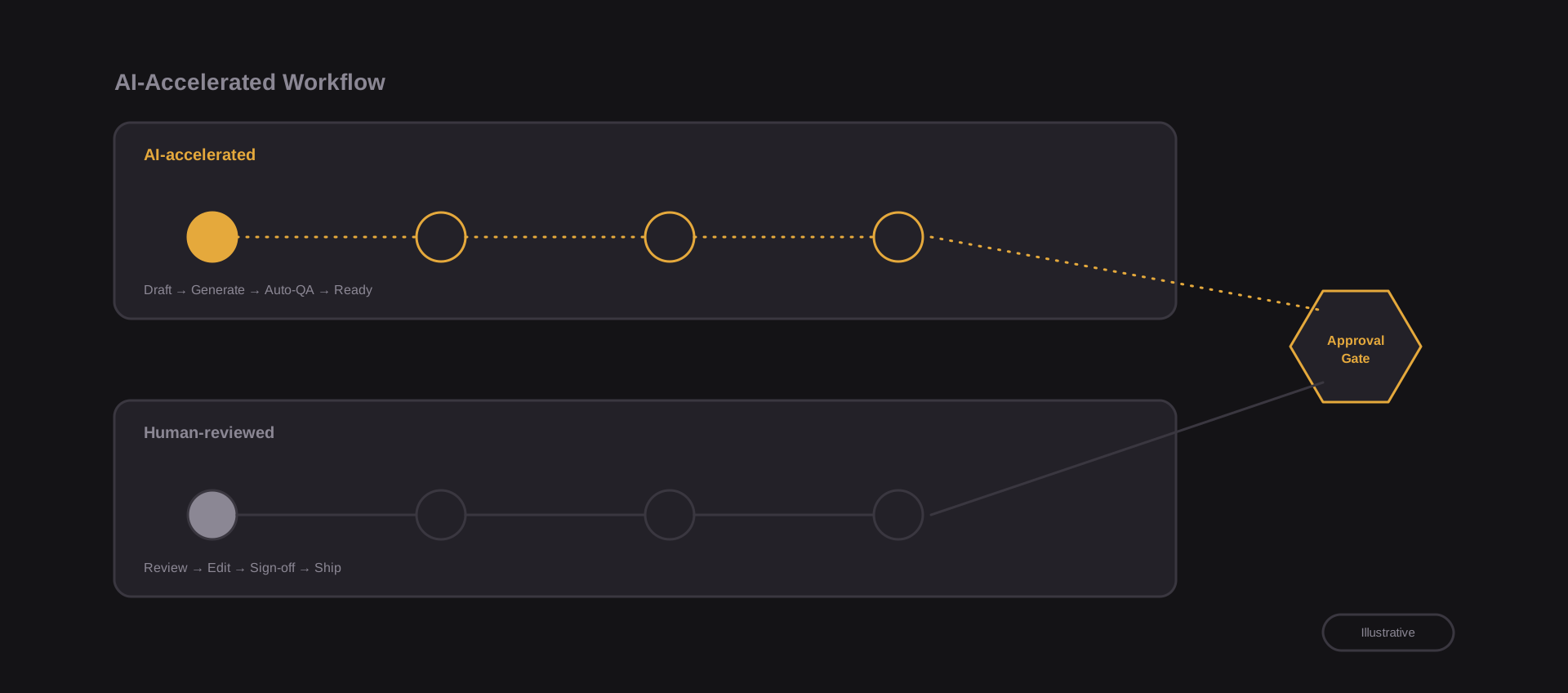
The fix isn't "add AI everywhere" — it's knowing exactly where AI earns its place and where it must not. I map the cycle and target the slow, repetitive stages: synthesizing research, drafting variant copy, and surfacing patterns across the test archive. The stages that require judgment — experimental design, significance calls, revenue interpretation — stay firmly human.
Implementation
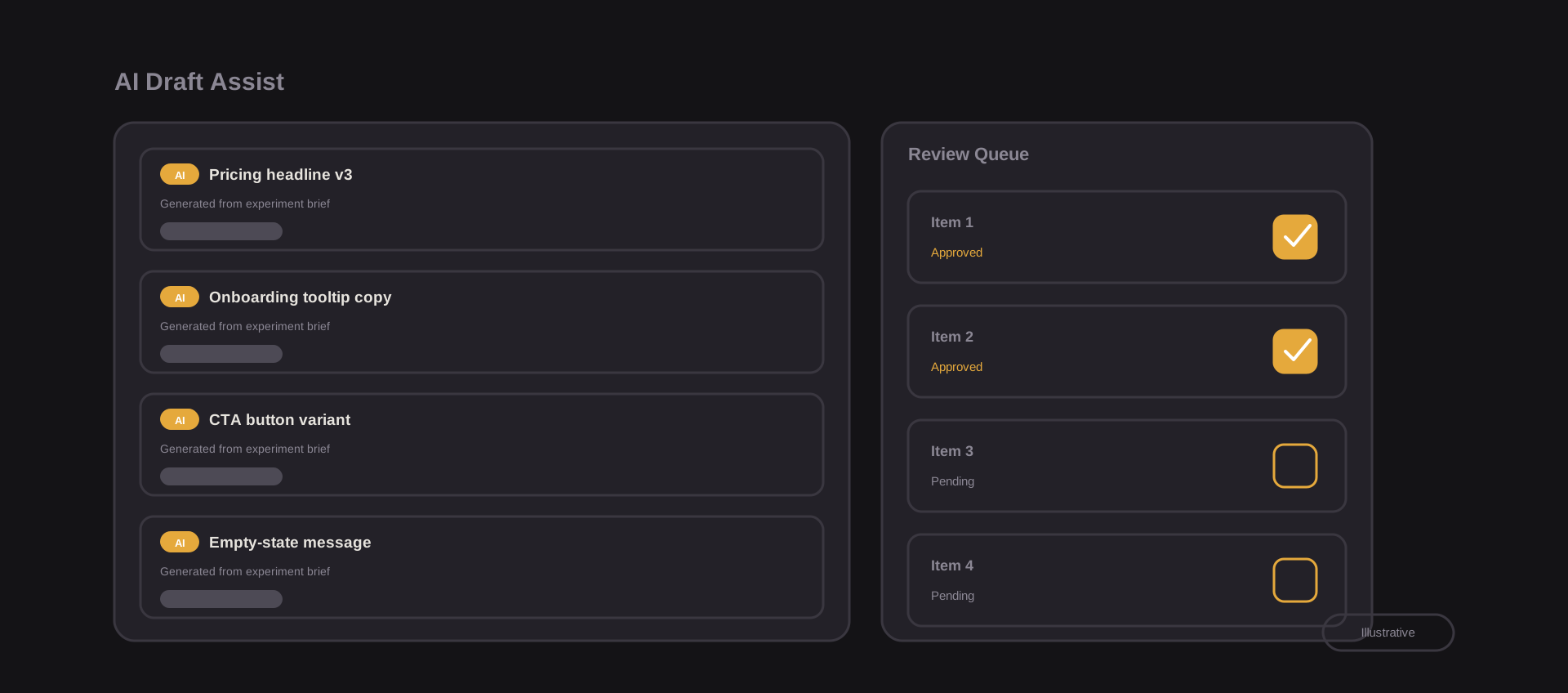
In practice that means AI accelerating the inputs: distilling research into testable hypotheses faster, generating variant options for a human to refine, and mining past tests to suggest the next set of experiments. Every output passes through human review before it touches a live test, so speed never comes at the cost of standards.
Results
The program finds and scales wins noticeably faster — more experiments in flight, shorter time from insight to live test — while the statistical discipline stays intact. Velocity on the work, rigor on the decisions. (Illustrative of typical engagement outcomes.)